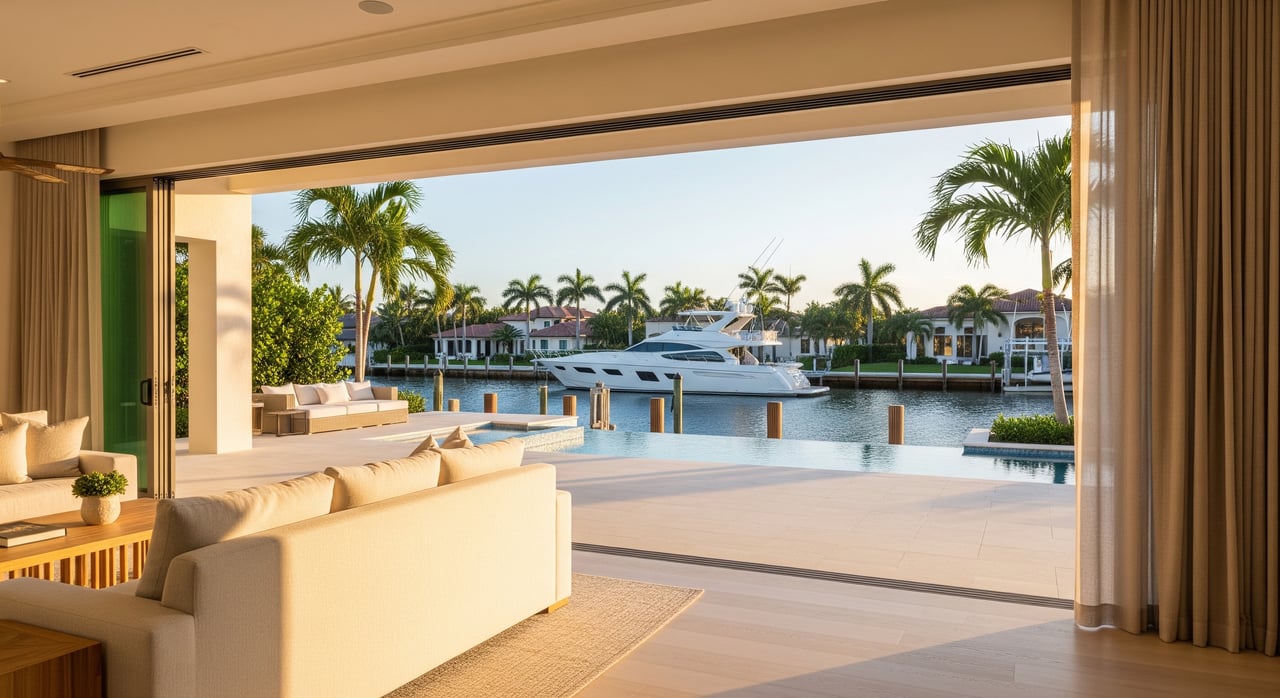
You want sun, sea, and seamless comfort without giving up everyday ease. In Boca Raton’s coastal corridor, that is exactly how most days feel. Whether you live here full time or seasonally, you can balance relaxed beach rituals with polished dining, boating, wellness, and quick access to services. This guide shows you how the lifestyle works, what home types support it, and what to consider before you buy. Let’s dive in.
What the coastal corridor includes
The coastal corridor covers Boca Raton’s oceanfront and Intracoastal neighborhoods, barrier‑island pockets, marinas, and nearby downtown corridors like Mizner Park and East Boca. You see a blend of year‑round residents and a strong winter season of snowbirds. Winters are mild and dry, summers are warm and humid, and the outdoor rhythm runs year round. Hurricane season runs June through November, which shapes preparation and insurance decisions.
Daily beach and park rhythms
Beach living is the backbone of everyday luxury here. Many residents start with a sunrise walk, a quick swim, or yoga on the sand, then return for sunset. Red Reef Park is locally known for snorkeling and marine habitat, while other municipal beaches vary in parking, lifeguards, and facilities. If you live close, you will likely bike or walk to avoid parking.
Boating, marinas and fishing
With the Atlantic and the Intracoastal Waterway nearby, boating is a regular weekend plan. You can keep a boat at home on a private dock, secure a marina slip, or book charters for guests. Routine life includes seasonal maintenance, working with marina services, and casual fishing runs or Bahamas day trips when conditions allow.
Dining, cafés and markets
Coastal dining leans toward fresh seafood, upscale casual spots, and outdoor seating with water views. Weekend brunch is popular. Downtown Boca’s Mizner Park and nearby Delray Beach offer a dense mix of restaurants and nightlife within a short drive. Farmers markets and waterfront promenades round out the weekly rhythm.
Wellness, sports and clubs
You will find beach runs, group yoga, boutique fitness, cycling along coastal roads, and strong participation in tennis and pickleball. Golf and country clubs add social structure, dining, and on‑site wellness. Many residents plan their week around club programming and training schedules.
Arts, culture and events
Expect regular museum visits, outdoor concerts, and seasonal festivals. Mizner Park’s programming and the area’s performing arts calendar create an easy cultural circuit, especially in high season. Weekend markets and art walks help anchor social plans without feeling touristy.
Home types that fit the lifestyle
Different properties support different daily routines. The right fit depends on how you want to use the water, how much maintenance you prefer, and how often you will be in residence.
Oceanfront single‑family homes
- Lifestyle: Maximum privacy, direct sand access, uninterrupted views, and the quickest beach routine.
- Tradeoffs: Highest purchase prices, higher maintenance for exposure and erosion, hurricane hardening costs, and elevated insurance.
Intracoastal and waterfront homes with docks
- Lifestyle: Private dockage for boating and fishing, calm water access, a natural choice for boat owners.
- Tradeoffs: Dock and seawall permitting and upkeep, possible environmental constraints, and higher insurance and replacement costs.
Condominiums and townhomes
- Lifestyle: Amenities like pools, gyms, concierge, and often easy walkability to beach or dining. Ideal for lock‑and‑leave or seasonal living.
- Tradeoffs: HOA or condo fees, potential special assessments after storms, parking and guest policies, and less private outdoor space.
Gated and country‑club properties
- Lifestyle: Added security, on‑site golf, tennis, spa, and active social calendars.
- Tradeoffs: Initiation fees and ongoing dues, community rules, and sometimes a longer drive to the beach.
Proximity, exposure and elevation
Walk‑to‑beach locations command premiums and enable quick morning swims without a car. North or south exposures influence sun and breeze patterns and may shape how you use outdoor space. Elevation matters for flood risk and can affect insurance costs.
Amenities that define “everyday luxury”
- Building: Full‑service lobbies, valet, resort‑style pools, EV charging, and secure storage for paddleboards and gear.
- Neighborhood: Easy access to promenades, seaside parks, cafés, groceries, fitness studios, and private clubs.
- Services: Property management, housekeeping, concierge, and short‑term rental management where allowed.
Ownership realities to plan for
Coastal luxury is easy to enjoy when you set clear expectations for maintenance and readiness.
Salt‑air maintenance
Plan for corrosion on metals and outdoor furniture, regular HVAC servicing, pool care, and proactive pest and mold prevention. These items belong in your annual budget.
Hurricane readiness
Impact windows and doors, roof reinforcements, and generator options are common. Many owners keep plans for securing outdoor furniture and boats, or use storage services during storm threats.
Rules, insurance and rentals
Understanding local regulations and the insurance landscape will help you avoid surprises and protect your investment.
Flood and wind insurance
Florida’s insurance market is dynamic. Many coastal properties fall within FEMA flood zones, so flood insurance through the NFIP or private carriers may be required or strongly advised. Premiums depend on elevation, flood zone, and underwriting. Get quotes early in your search and speak with a licensed local insurance broker.
Docks, seawalls and landscaping permits
Docks and seawalls typically need approvals from the city or county, the Florida Department of Environmental Protection, and sometimes the U.S. Army Corps of Engineers. Environmental protections for mangroves and marine habitats can limit placement or require mitigation. Build timeline and cost expectations into your plan.
Short‑term rentals and HOA rules
Local ordinances and HOA documents govern rentals, occupancy, parking, and guest policies. Some communities restrict short‑term rentals or require licensing. Always review HOA covenants and city rules before counting on rental income.
Cost of ownership essentials
- Property taxes: Assessed by Palm Beach County, with higher values common near the coast.
- HOA/condo fees: Cover amenities and shared maintenance, and can be substantial in luxury buildings.
- Services and utilities: Landscaping, irrigation, pool service, and higher A/C usage in hot months.
Access, transit and daily convenience
Major routes like I‑95, US‑1, and Glades Road link you across the metro quickly. Palm Beach International and Fort Lauderdale‑Hollywood International offer flexible flight options for seasonal owners and frequent travelers. In walkable pockets like Mizner Park and some beach areas, you can handle dining and errands on foot, while most of Boca remains car‑oriented. Healthcare access is strong, with major hospitals and medical centers within short drives.
Who buys here and when
You will see local professionals, families, retirees, seasonal residents, second‑home buyers from the Northeast and Midwest, international purchasers, and avid boaters. Oceanfront and direct‑water parcels carry the highest premiums, while condos and nearby inland options can offer strong value with easy coastal access. Inventory and showing activity often rise in fall and winter as seasonal residents arrive.
How to choose the right Boca coastal home
Use this quick framework to match lifestyle with property type:
- Define your daily routine
- Morning beach access, boating, club life, or walkable dining. Rank what matters most.
- Set maintenance comfort
- Prefer turn‑key and managed settings, or hands‑on upkeep for a private estate and dock.
- Align risk and readiness
- Confirm elevation, flood zone, wind protections, and generator options. Get insurance quotes early.
- Review rules and fees
- Read HOA/condo documents for rental, parking, pet, and guest policies. Model taxes and monthly dues.
- Inspect for coastal durability
- Check roof age, structural systems, impact glass, HVAC, signs of salt‑air corrosion, and seawall or dock condition.
- Plan access and services
- Map your drive times to beach, groceries, fitness, healthcare, airports, and marinas.
When you are ready to tour, a senior advisor can help you weigh tradeoffs block by block and building by building, then negotiate with confidence.
Ready to experience coastal Boca that lives beautifully every day? Connect with the boutique team at Brosda and Bentley Realtors to preview on‑ and off‑market options. Schedule a Private Luxury Consultation.
FAQs
What defines Boca Raton’s coastal corridor lifestyle?
- A blend of beach rituals, boating on the Intracoastal, upscale dining, wellness and club activities, plus easy access to culture and services in nearby downtown areas.
Which home types best suit seasonal living in Boca?
- Condos and townhomes with amenities and concierge services offer low‑maintenance lock‑and‑leave convenience, while single‑family waterfront estates suit owners who want privacy and dockage.
How does flood risk affect buying near the water in Boca?
- Many coastal areas are in FEMA flood zones, so you should verify elevation, review flood maps, and get flood and wind insurance quotes early in the process.
Are short‑term rentals allowed in Boca’s coastal buildings?
- Rules vary by city and HOA; some communities restrict or license short‑term rentals, so review local ordinances and building covenants before assuming rental income.
What maintenance should I expect with a waterfront home?
- Budget for salt‑air corrosion control, HVAC servicing, pool and landscape care, pest and mold prevention, and seawall or dock inspections and upkeep.
When is the most active season for buying in Boca’s coastal corridor?
- Activity often increases in fall and winter as seasonal residents arrive, which can influence inventory, showing schedules, and competition.