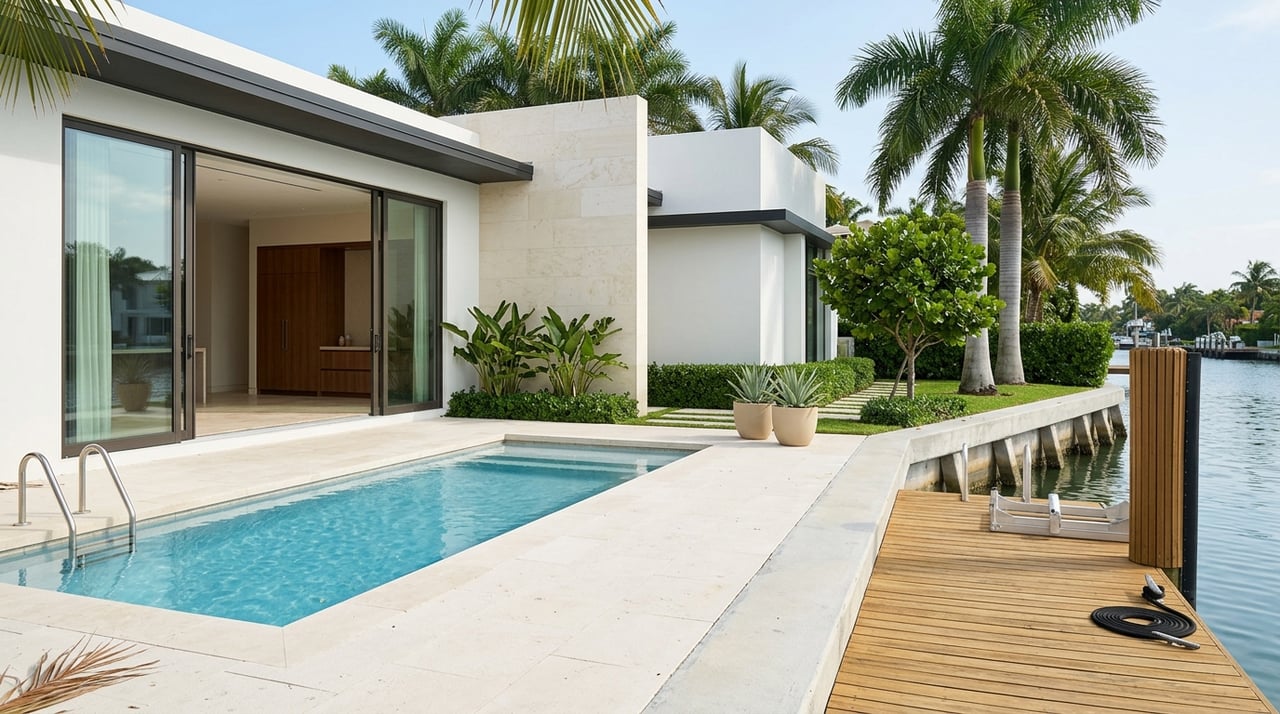
Picture this: you step from your living room onto a sunlit terrace, cast off lines from your private dock, and idle down a palm-lined canal toward open ocean. If you want that life, Fort Lauderdale makes it easy. The city’s boating culture, marina network, and waterfront homes are built for people who love time on the water. In this guide, you’ll learn how the yachting scene works, which home types match different boats, what to check before you buy, and how to time your search with the market. Let’s dive in.
Why Fort Lauderdale is a yachting capital
Fort Lauderdale is often called the “Venice of America” for good reason. The area promotes hundreds of miles of navigable waterways and a dense network of marinas that make everyday boating simple, from quick dock-and-dine runs to offshore trips. This mix of natural and built water access shapes the city’s identity and lifestyle for residents and visitors alike (Greater Fort Lauderdale fact sheet).
Each fall, the Fort Lauderdale International Boat Show (FLIBS) reinforces the city’s global status. It is widely billed as the world’s largest in-water boat show, drawing around 100,000 attendees, more than 1,000 brands, and over 1,300 boats across venues on the beach and Intracoastal. Beyond the spectacle, FLIBS concentrates buyers, brokers, and industry pros, which often energizes waterfront listing activity and transient slip demand in season (FLIBS official site).
Service and logistics add real substance to the lifestyle. The city is home to major refit and repair hubs like Safe Harbor Lauderdale Marine Center, which offers heavy-lift capacity, in-water and on-land services, and transient berthing for large yachts. That level of support is a core reason many owners base their boats here or stop in for work during the winter refit season (Lauderdale Marine Center).
Right next door, Port Everglades provides deepwater access for cruise ships and commercial traffic and plays a key role in provisioning and international departures. For large yachts, smooth access to a deep port is a practical advantage when planning crossings or quick runs to the Bahamas (Port Everglades).
Industry scale backs up the story. Local organizations highlight Broward County as a major center of the marine economy, with a significant base of recreational vessels and maritime services anchored here. The result is a rare concentration of expertise you can tap year-round (MIASF).
Marinas and services that shape daily life
Large-yacht hubs and resort-style marinas
If you own or plan to own a larger yacht, you will appreciate the city’s headline facilities. The Bahia Mar Yachting Center on Fort Lauderdale Beach has long hosted FLIBS exhibits and supports large vessels with fueling, pump-out, and provisioning in a central location. Convenience to the beach, Intracoastal, and brokerage activity makes it a frequent stop for owners and crews (Bahia Mar coverage).
Nearby, Pier Sixty-Six has reemerged as a luxury marina-resort address, offering big-boat slips alongside hotel and resort amenities that elevate the on-shore experience. If you like the idea of docking beside a full-service resort, this is a compelling model to consider (Pier Sixty-Six).
Along Las Olas and the New River, a mix of municipal and private marinas provides guest dockage and access to downtown dining and nightlife. During FLIBS, these corridors buzz with water taxis and visitors, showcasing just how visible and accessible the city’s maritime life really is (FLIBS overview).
Amenities that matter for your boat
Before you fall in love with a marina view, focus on the specs. The right amenities make boating safer and more enjoyable.
- Depth at slip and approach channel suitable for your draft
- Slip length, beam, and side clearance for maneuvering
- Fueling options, pump-out, shore power, and dockside water
- 24/7 security, gated access, and lighting
- Haul-out and yard access or on-site mechanical, electronics, and rigging
- Crew services, provisioning support, and guest dockage policies
- Concierge-style management and clear transient rates
These details will also guide what to look for in a private dock at your future home.
Waterfront home types for boaters
Not all waterfront is the same. Your boat size, air-draft, and cruising style will help you narrow the right property.
Direct oceanfront
Oceanfront condos and estates deliver immersive beach living and panoramic sea views. If your priorities are sand, sunrise, and resort-style amenities, oceanfront can be perfect. Keep in mind that deepwater private docks are uncommon along exposed ocean shoreline due to surf and permitting, so you may pair an oceanfront residence with a marina slip.
Intracoastal and wide canals with private docks
These properties sit on the Intracoastal Waterway or wider canals and often feature substantial bulkheads and docks. They are a strong fit for powerboat owners who want quick ocean access. Each location varies by channel depth, dock orientation, and whether a fixed bridge stands between your slip and Port Everglades inlet. Always match your vessel’s draft and air-draft to the route.
Canal-front single-family on narrower canals
Canal-front homes can offer a more approachable entry into waterfront ownership. For smaller center consoles and flats boats, they can be ideal. For bigger boats, confirm depth, width, and turning room well in advance. A tight canal can limit docking options or require bow- or stern-in precision you may not want daily.
Riverfront condos and slips near downtown
Along the New River and Las Olas, you will find condominiums with deeded or rentable slips that suit seasonal owners or anyone who prefers a lock-and-leave setup. This option pairs a walkable city lifestyle with tie-up-and-go boating.
Marina-adjacent residences
If you want full-service boating without private-dock maintenance, consider residences integrated with or adjacent to a marina. Projects modeled like Pier Sixty-Six weave together luxury amenities and big-boat capacity, creating a resort-marina lifestyle under one roof (Pier Sixty-Six).
Quick matches by owner type
- Offshore angler or bluewater cruiser: Intracoastal or wide-canal homes with deep docks and a short, bridge-free run to the ocean.
- Superyacht owner: A luxury home near full-service marinas, with the vessel berthed at a yard or superyacht marina for professional support.
- Part-time or second-home owner: A condo with a deeded or rentable slip or a marina-resort residence for low-maintenance, lock-and-leave convenience.
Smart buying checklist for boat owners
Waterfront due diligence has layers. Use this checklist to protect your purchase and your boating plans.
Dock and navigation checks
- Confirm dock ownership and rights. Is the dock deeded, licensed, or part of an HOA allocation? Request title language and any recorded agreements.
- Measure usable slip length, beam, and side clearance. Match real measurements to your vessel’s LOA including pulpit and swim platform.
- Verify depth at mean low water and any shoaling tendencies. Ask for soundings or a recent survey.
- Map the route to the ocean. Note fixed bridges, published vertical clearances, and drawbridge schedules. If your air-draft is high, do a route assessment.
- Check turning basins and swing radius. Narrow canals can require specific tide windows or approaches.
Seawall, structure, and permitting
- Review seawall condition, age, and any engineered reports. Replacement or raising can be a major cost.
- Confirm all dock, lift, and shoreline work was properly permitted and closed out. Ask for permits and contractor documentation.
Flooding, storms, and long-term resilience
- Identify the FEMA flood zone and obtain an elevation certificate. Flood zone status will affect insurance and lending requirements (City of Fort Lauderdale FEMA reference).
- Ask about local resilience measures on the block, such as seawall standards or drainage improvements. The region actively plans for sea-level rise and nuisance flooding.
Insurance and hurricane readiness
- Get written insurance quotes early. Wind, flood, and liability premiums vary by structure, elevation, and location.
- Review tie-off points, pile condition, and a hurricane plan. Many large-vessel owners pre-book haul-out or protected slips before storm season.
HOA and marina rules
- Confirm whether slips are transferable and how they can be rented, chartered, or used for liveaboard, if relevant.
- Review monthly fees, special assessments, and any environmental rules like manatee zones, no-wake areas, and pump-out requirements.
The right specialists
- Engage a marine surveyor for the dock and waterway, a structural engineer for the seawall, a local dockmaster for operational fit, and a title attorney for riparian rights. Work with an agent experienced in waterfront closings and elevation certificates.
Market snapshot and timing your search
As a high-level city metric, Zillow reported an average Fort Lauderdale home value of about 503,437 dollars (Zillow Home Value Index) and a median sale price of 574,167 dollars, as observed on February 28, 2026. Use these as general context, then focus on recent local comps for your target waterfront block and waterway type (Zillow Fort Lauderdale market page).
Expect a meaningful premium for true waterfront versus similar non-waterfront homes. The exact premium varies by neighborhood, canal width, depth, bridge restrictions, and vessel compatibility. National research shows wide variation in waterfront premiums across markets, so rely on Fort Lauderdale comps for precision rather than a single statewide figure (Zillow research on waterfront premiums).
Seasonality can also matter. FLIBS and the winter refit season bring more boaters, brokers, and crew to town, which can increase transient slip pressure and buyer activity. If you plan to keep a large boat nearby, start conversations early with marinas and yards about availability.
How to buy with confidence
Selecting the right Fort Lauderdale waterfront home is equal parts lifestyle and logistics. You want a property that matches how you boat today and where you want to cruise next year.
Brosda and Bentley Realtors pairs boutique, founder-led advisory with deep South Florida market knowledge to guide you through that balance. You get senior-level attention, clear analysis of water access and dock suitability, and end-to-end support, including introductions to surveyors, dockmasters, and insurance providers. For international and second-home buyers, we also offer cross-border acquisition assistance, financing support, and property management to simplify ownership.
Ready to align your boat, your home, and your lifestyle in one smart move? Connect with Brosda and Bentley Realtors to Schedule a Private Luxury Consultation.
FAQs
What makes Fort Lauderdale ideal for yacht owners?
- The city offers hundreds of miles of navigable waterways, a dense marina network, major refit yards, and a deepwater port, plus a world-class in-water boat show that concentrates industry services and talent.
Which waterfront home type suits a 40-foot center console?
- Intracoastal or wide-canal single-family homes with deep private docks and minimal bridge constraints often work well. Confirm depth at mean low water, slip length, and turning room.
How do fixed bridges impact my ocean access?
- Fixed bridges limit air-draft. If your boat has towers or high superstructure, you must confirm clearances on your route and consider drawbridge schedules where available.
What should I review about the seawall and dock before buying?
- Ask for recent engineering or inspection reports, permits for past work, and any maintenance logs. Inspect piles, tie-off points, cap condition, and signs of movement or seepage.
When is the best time to shop for waterfront homes in Fort Lauderdale?
- Inventory and activity often pick up in fall and winter as the boating season and FLIBS bring more buyers and vessels to town. Start early if you also need a marina slip or yard slot.