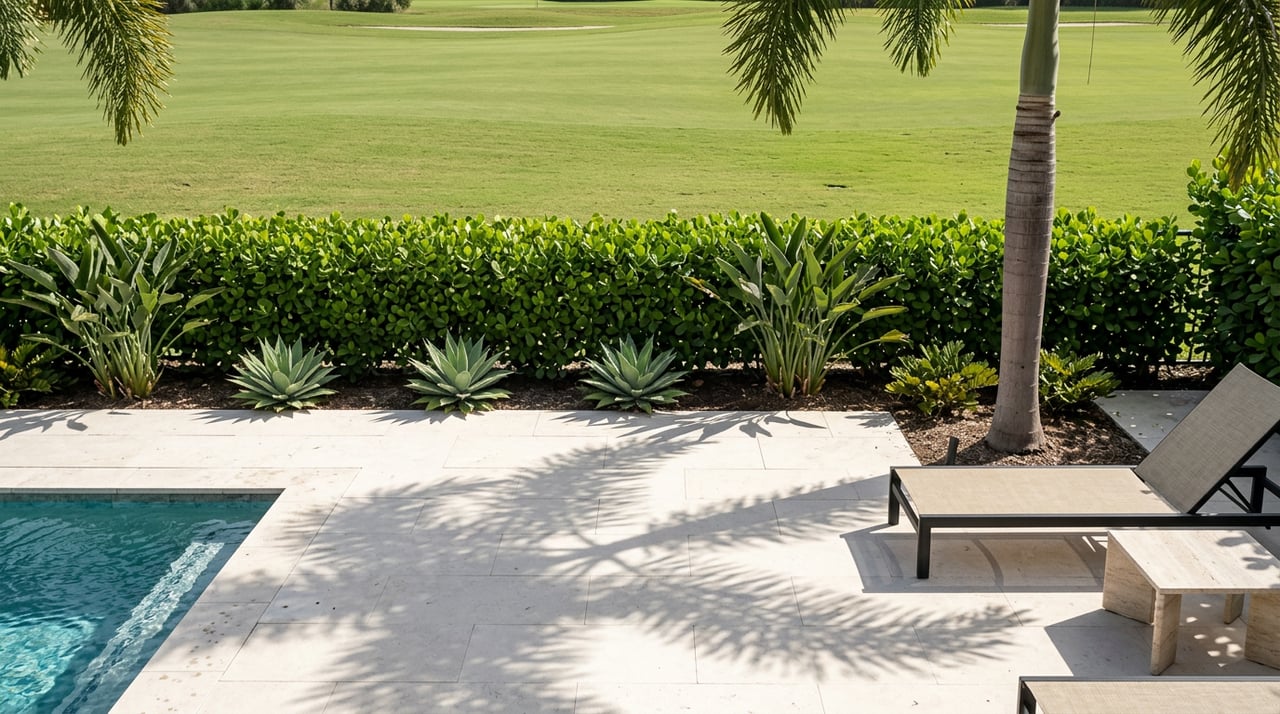
Looking for privacy, boating access, or a true club lifestyle without leaving a cultured city setting? Coral Gables delivers all three. Its planned streets, Mediterranean character, and established amenities make it a standout place to consider gated living or a home along the fairways. In this guide, you’ll learn how these communities work, what amenities and obligations to expect, and how to compare your options. Let’s dive in.
Why Coral Gables fits gated and golf living
Coral Gables was conceived as a “City Beautiful” community in the 1920s, which is why you see wide, tree‑lined avenues, Mediterranean‑Revival architecture, and carefully placed parks and civic buildings. That planning legacy naturally supports larger lots, tranquil enclaves, and private club settings that feel cohesive and timeless. You can see this heritage reflected in the city’s preserved landmarks and design traditions. For more background, explore the city’s historical resources and the national overview of Coral Gables’ planning history.
- Learn more about the city’s historic framework on the City of Coral Gables page: Historical landmarks and resources.
- See a national perspective on its City Beautiful roots via the Advisory Council on Historic Preservation: Coral Gables community overview.
Demand for gated and club lifestyles is also supported by local household income levels, which trend higher than the county’s average. That context attracts move‑up buyers and second‑home purchasers who value privacy, amenities, and well‑kept streets. Review the U.S. Census QuickFacts for a snapshot: Coral Gables household data.
Waterfront gated enclaves
If boating access and maximum privacy top your list, the city’s waterfront enclaves offer estate‑scale homes with guard‑gated entries, lush landscaping, and deep‑water access.
Cocoplum (Islands of Cocoplum)
Cocoplum features island living with a private marina, clubhouse, tennis, and 24/7 gate security. Architecture ranges from classic Mediterranean to sleek contemporary. If you are considering a home with a dock or slip, confirm how marina access is structured, since memberships and slip assignments can be managed separately from the real estate. Preview the community at the official site: Islands of Cocoplum. You can also review boating amenities through the Cocoplum Yacht Club.
Gables Estates
Gables Estates is one of Coral Gables’ most exclusive addresses. Expect oversized lots, private security, and a quiet, low‑turnover setting along wide canals with access to Biscayne Bay. Membership requirements and association approvals can apply, so plan your timeline accordingly. For a first look, visit the association site: Gables Estates.
Sunrise Harbour and Journey’s End
These smaller, waterfront enclaves offer deep‑water dockage and a serene, low‑inventory profile. Properties here tend to be held long term. When touring, verify bridge clearance, canal depth, and how dock rights are handled within each association.
Golf and country club living
Golf‑adjacent living in Coral Gables comes in two main flavors: private, fully gated golf communities and residential neighborhoods that ring historic courses and clubs.
Deering Bay Yacht & Country Club
Deering Bay is a long‑established gated community known for combining a private Arnold Palmer‑designed 18‑hole course with multiple marinas, tennis, and full clubhouse services. It is designed for residents who want both golf and boating within one setting. Membership categories and fees are separate from your home purchase, so review the current club options and initiation requirements when you compare residences.
Biltmore and Granada areas
Around the landmark Biltmore complex, you’ll find a Donald Ross–designed championship course and a roster of club activities that anchor the surrounding residential pockets. The nearby Granada Golf Course offers a local nine‑hole option. Home styles in these areas lean Mediterranean Revival and “country club” scale, with leafy streets and easy access to club amenities. For context, explore the Biltmore course details and the Granada Golf Course overview.
Everyday lifestyle and access
Living in these neighborhoods is about more than gates and greens. Here is what most buyers value day to day.
- Security and privacy. Many gated enclaves maintain guarded entries and on‑site patrols. Some associations highlight continuous security programs as a core amenity for residents.
- Boating infrastructure. Private marinas, dock masters, and resident‑only slip programs are common in waterfront pockets. Slip sizes and availability vary, so confirm the specifics for your boat. For an example of local boating services, review the Cocoplum Yacht Club.
- Dining and culture close by. Miracle Mile and The Shops at Merrick Park anchor the city’s restaurant and retail scene, with major civic assets like Fairchild Tropical Botanic Garden, Venetian Pool, and the Biltmore nearby. Get a feel for the local scene through this city feature: A world of its own.
- Airport and regional connectivity. Coral Gables sits within a short drive of Miami International Airport. Actual drive times vary by neighborhood and traffic, so plan door‑to‑door.
Buyer profiles and what that means for you
Two buyer groups tend to drive demand here. First are move‑up households seeking larger lots, outdoor living, and proximity to schools and family amenities. Second are seasonal and international buyers who prioritize privacy, yacht access, and Florida’s favorable tax climate. Media coverage has also highlighted ultra‑luxury pricing in select enclaves, with thin inventory and discreet transactions shaping market behavior.
This mix matters because low‑inventory neighborhoods can see medians swing based on a handful of sales. When you are serious about a home, rely on the last 12 months of closed comps and on‑the‑ground context rather than broad portal averages.
Practical buyer checklist
Use this checklist to speed up diligence as you tour and compare communities.
- Association membership and approvals
- Ask if association or club membership is required to purchase or to access amenities. Some enclaves have formal applications and approvals. Request governing documents and any buyer application guidelines early.
- Marina and dock rights
- Clarify whether a dock or slip is deeded to the property or leased through a community marina. Confirm if membership and slip assignment transfer with the home or require a separate application.
- HOA and club fees
- Request current HOA and club dues, any special assessments, and a list of what is included. Security, landscaping, and dock maintenance can materially change carrying costs.
- Flood zone, elevation, and insurance
- If the property is waterfront or low‑lying, check the FEMA map for the parcel’s flood zone, obtain an elevation certificate if available, and get quotes for flood insurance. Miami‑Dade maintains helpful flood‑protection resources. Start with Miami‑Dade County’s flood‑protection page.
- Storm resilience and permitting
- Ask whether the home meets current hurricane and building codes for its zone, and review city permitting history. In some areas, substantial remodels can trigger elevation or retrofit requirements that add time and cost.
- Resale timing and liquidity
- Ultra‑exclusive enclaves may have few annual transactions and added steps like association reviews. Pricing often reflects rarity and lifestyle rather than a high volume of comps. Plan timelines with this in mind.
How to choose the right community
Start with what you value most. If boating is non‑negotiable, target enclaves with resident marinas and confirm slip length and depth. If you want daily club access, compare membership categories, initiation fees, and guest policies. For fairway‑adjacent living, walk the course edge at different times of day and note maintenance schedules and setback buffers that affect privacy.
Next, map your personal routine. Consider distance to dining, retail, and school routes. Some island enclaves are car‑dependent while neighborhoods around Miracle Mile and the Biltmore area can feel more connected to civic life. Finally, build a full carrying‑cost picture that includes HOA and club dues, insurance, and expected capital projects.
Your next move
High‑end Coral Gables purchases involve details that are easy to miss, from association approvals to marina transfer rules. A senior advisor who lives in this market daily can save you time and reduce risk. If you want a private plan for gated or golf‑course living in Coral Gables, connect with Brosda and Bentley Realtors to schedule a Private Luxury Consultation. We provide boutique, founder‑led guidance across acquisitions, cross‑border buyer support, property management, and discreet negotiation so you can move with confidence.
FAQs
What makes Coral Gables ideal for gated and golf communities?
- The city’s planned City Beautiful design, Mediterranean architecture, larger lots, and established clubs create a natural setting for private enclaves and golf‑adjacent living, supported by higher local household incomes.
How secure are gated communities in Coral Gables?
- Many enclaves offer 24/7 guarded entries and on‑site patrols. Security programs are often core amenities and differ by association, so review each community’s policies during due diligence.
Do homes include marina slips in places like Cocoplum?
- Not always. In several communities, marina memberships and slip assignments are managed separately and may require an application. Confirm whether a slip is deeded or leased and if it transfers with the sale.
What should I expect for golf and club fees?
- Fees vary widely. Standard HOAs charge dues for maintenance and security, while private clubs may have initiation costs plus annual dues. Ask for current fee schedules and membership categories before submitting an offer.
Is living beside a golf course noisy or restrictive?
- Noise is usually minimal. The key factors are course hours, event schedules, and landscape maintenance near your lot. Review setback buffers and any course policies that could affect your yard or privacy.