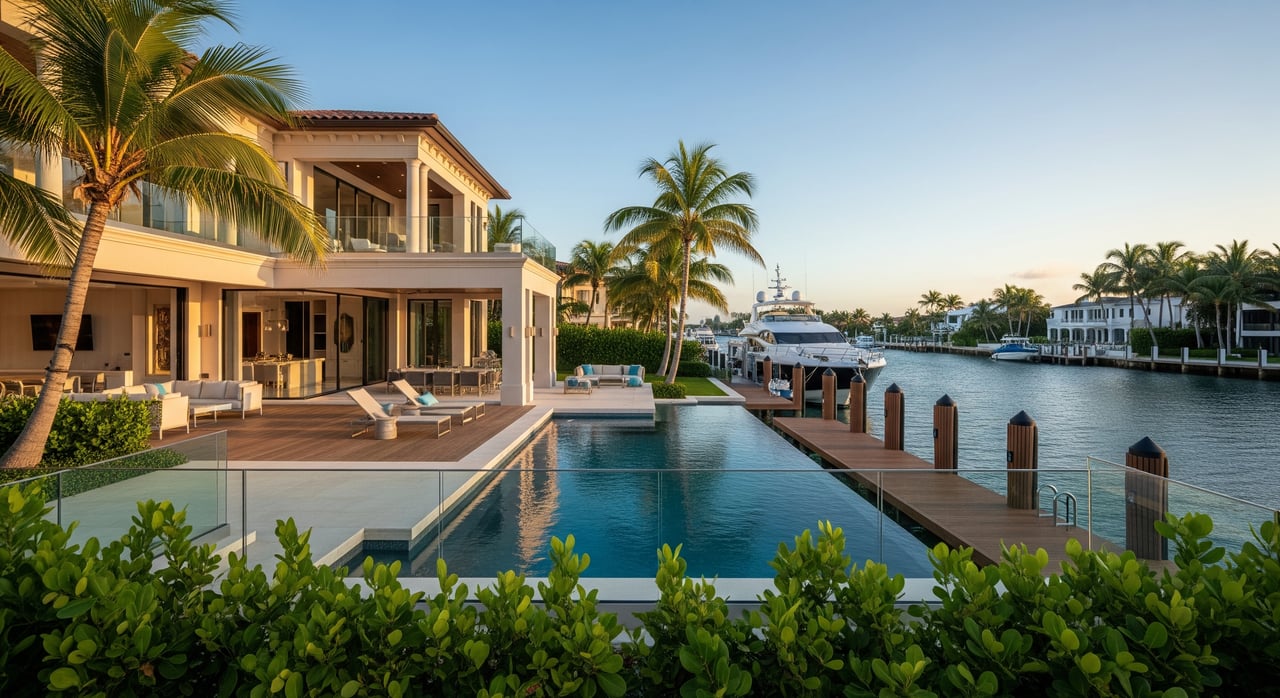
Is your Fort Lauderdale waterfront estate ready for the market, but you want to make every detail count before you list? Selling on the water is different from selling on land, and the stakes are higher. You need a focused plan that showcases your dock, seawall, depth, and access while addressing insurance, disclosures, and inspections that matter to luxury buyers. In this guide, you will learn how to prepare, price, market, and close with confidence in Fort Lauderdale and greater Broward County. Let’s dive in.
Understand the waterfront market
Fort Lauderdale and Broward County sit at the heart of South Florida boating culture. Buyer demand comes from local high-net-worth homeowners, seasonal second-home buyers, domestic interstate movers, and international clients from Latin America and Europe. Inventory on the water is more limited than inland neighborhoods, and properties are segmented by water type like oceanfront, Intracoastal, and canal frontage. Your strategy should align with these buyer segments and the unique features of your estate.
What drives value on the water
On the waterfront, value is defined by access and usability as much as architecture. The key drivers include direct ocean access without fixed bridges, dock length and condition, depth at the dock for the buyer’s vessel, seawall age and integrity, and bridge clearances. Orientation, view, lot width on the water, and proximity to the Intracoastal, marinas, beaches, and downtown amenities also matter. Flood and wind-mitigation features, including roofing and openings protection, can influence both buyer confidence and insurance costs.
Pricing realities and premiums
Waterfront estates typically command meaningful premiums over similar non-waterfront homes. The exact premium depends on the water type, access to the ocean, and dock specifications. Because luxury waterfront inventory is specialized, it is normal to see a wide price spread even within the same neighborhood. The best results come from pricing against the most relevant marine features and recent luxury activity in your immediate area.
Risk, insurance, and resilience
Southeast Florida faces sea-level rise, tidal flooding, and hurricane risk. Buyers will consider flood zones, Elevation Certificates, and the availability and cost of flood and wind insurance. Expect questions about mitigation, past claims, and any storm-related repairs. Having documentation ready helps you control the narrative and protect your sale price.
Prepare your estate to list
Selling a Fort Lauderdale waterfront property requires more documentation than a typical home. You will save time and strengthen your position by assembling a complete, waterfront-specific dossier before you go live.
Build a complete property dossier
Gather these items early so you can share them with serious buyers and their lenders:
- General home inspection, plus a marine inspection for the dock and seawall
- Pest and wood-destroying organism report
- Pool and spa inspection, if applicable
- Insurance history and any wind-mitigation reports
- Permits and as-built drawings for seawall, dock, lifts, additions, and pool
- Current survey showing water boundaries and easements
- Elevation Certificate if the property lies in a mapped flood zone
- HOA or community documents if applicable, including rules for docks and lifts
- Receipts and warranties for major systems and recent upgrades
- Preliminary title commitment for your review
- Special features sheet: dock length, depth at mean low tide, lift capacity, bridge clearances, and whether you have direct ocean access
Disclosures and permits
Florida law requires sellers to disclose known material facts that affect property value. For waterfront homes, this includes past flood, wind, or hurricane damage, insurance claims, and any repairs. Shoreline work like docks, lifts, seawalls, and mangrove trimming usually requires permits from city, county, or state authorities. Collect approval records and permit finals so buyers see a clean file.
Inspections that matter
A qualified marine contractor or marine engineer should evaluate your dock, piles, tie-backs, cap, and seawall. Lenders and appraisers may ask for documentation if there are visible issues or if the property is older. Discovering and addressing concerns early lowers the risk of renegotiation later. If repairs are needed, get written estimates and disclose them with clarity.
Repairs to prioritize
Focus on items that affect safety, financing, or insurance. Common high-priority issues include roof integrity, electrical hazards, structural concerns, and any seawall or dock deficiencies. Cosmetic improvements help, but resolving functional issues provides a higher return and keeps deals from stalling. If repairs require permits, start the process early to avoid delays during escrow.
Stage for the waterfront lifestyle
Present the dock, terraces, pool, and outdoor entertaining areas as the heart of the home. Remove clutter from the dock and show clear boat approach lines. Keep vegetation maintained and permitted trimming documented. Indoors, depersonalize while keeping refined nautical or coastal cues to highlight the lifestyle without overwhelming the space.
Price with precision
Pricing a one-of-a-kind waterfront estate in Fort Lauderdale requires more than basic comps. Your agent should account for water type, access, dock specs, seawall condition, depth, and bridge clearances, then adjust for orientation, view, and luxury finishes.
Navigate limited comps
It is common to see few true comparables for unique waterfront estates. Appraisers will adjust for marine features, but they need data and context. Provide your marine inspection, dock measurements, and permit history to support value. A clear statement on condition and any recent upgrades helps keep appraisals aligned with market reality.
Consider seasonality and timing
South Florida’s luxury activity often peaks in winter and early spring when snowbirds and international buyers are in market. Listing during higher activity periods can increase qualified showings. If your home is move-in ready with complete documentation, you can take advantage of peak demand windows and minimize time to contract.
Market to the right buyers
Waterfront estates in the Fort Lauderdale–Pompano Beach–Deerfield Beach area reach buyers across the U.S. and abroad. Your plan should combine high-production visuals with targeted exposure to boating and luxury channels.
Elevated visuals and media
- High-resolution photography that captures interiors, exteriors, dock, and water views
- Aerial drone photography and video, produced by FAA-certified operators
- Boat-approach video that shows the route from the ocean or Intracoastal to your dock
- 3D tour or Matterport for remote and international buyers
- A comprehensive digital property packet that includes surveys, dock specs, inspection reports, and recent utility and tax information
Targeted exposure and partnerships
Maximize reach through MLS plus syndication to high-end portals and international platforms. Run targeted advertising that focuses on the boating lifestyle rather than only static photos. Host broker opens and private previews for top luxury agents and qualified clients. Partnering with yacht brokers and marina operators can connect you to buyers who need specific dock lengths, depths, or lift capacities.
Showings, offers, and negotiations
Serious buyers will scrutinize marine and structural details. Anticipate their questions and have answers prepped in writing.
What buyers will ask
- Depth at dock during mean low tide and the width of the waterway
- Bridge clearances between your dock and the ocean
- Age and condition of the seawall, piles, and dock cap
- History of flood or wind events and any insurance claims
- Wind mitigation features and any elevation information
Appraisals and financing realities
Many luxury buyers pay cash, but others use jumbo or conventional loans. Lenders will require flood insurance if FEMA maps show a high-risk zone. Appraisers may call out seawall or dock issues that affect value, and underwriters may ask for engineer letters. Providing inspections and permits up front keeps underwriting smooth and reduces last-minute friction.
From contract to close
Selling a waterfront estate takes coordination. Plan your timeline and keep all parties informed so you can close on schedule.
Timeline at a glance
- Pre-list preparation: 2 to 6 weeks, depending on repairs and document gathering
- Marketing and showing period: varies by price, uniqueness, and market timing
- Contract to close: 30 to 60 days, depending on financing, inspections, and title
Closing day details
Confirm the title company has addressed riparian rights, dock easements, and any recorded restrictions. If there are transferable marina or community dock rights, make sure the process is clear. Schedule the final walk-through to include dock access and verify completion of any agreed repairs. Provide keys, remotes, gate fobs, lift controls, and vendor contact lists to the buyer.
Cost expectations
Typical seller costs include brokerage commission, closing fees and title charges, pre-list inspections, professional photography and video, and staging. Seawall or dock repairs can be significant and vary widely based on length, materials, and permitting. Obtain local contractor quotes early so you can price with confidence and minimize surprise renegotiations. Clear disclosures and a clean property file help preserve your net.
Why list with Brosda & Bentley
You deserve boutique representation that understands both luxury marketing and marine-specific value. Brosda & Bentley Realtors is a founder-led, Miami-headquartered firm serving greater South Florida’s premium waterfront markets. The team delivers high-production listing presentation, targeted exposure to local and international buyers, and senior-level negotiation from listing through closing. You get discreet, high-touch service paired with the technical depth to manage permits, inspections, and lender expectations for complex waterfront assets.
What you can expect:
- Strategic pricing that accounts for dock depth, bridge clearances, seawall condition, and direct ocean access
- Premium visuals, including drone and boat-approach video, plus a complete digital property packet for serious buyers
- Targeted outreach to yacht brokers, marina networks, luxury agents, and international feeder markets
- Senior advisory from valuation through closing to reduce risk and protect your net proceeds
Ready to position your Fort Lauderdale waterfront estate for its best result? Schedule a Private Luxury Consultation with Brosda and Bentley Realtors.
FAQs
What should I disclose when selling a Fort Lauderdale waterfront home?
- Disclose known material facts that affect value, including past flood, wind, or hurricane damage, insurance claims, repairs, and any restrictions on waterfront use.
Do I need a marine inspection before listing my estate?
- Yes, a marine inspection of the dock, piles, and seawall helps you price correctly, anticipate lender and buyer questions, and avoid renegotiation during escrow.
How important are dock depth and bridge clearances to buyers?
- They are critical. Boat owners need accurate depth at mean low tide and clearances from your dock to the ocean to confirm their vessel can access open water.
Will flood zones and insurance affect my sale?
- They can. FEMA flood maps, Elevation Certificates, and insurance availability influence buyer costs and lender requirements. Have documentation ready to speed underwriting.
Should I repair a failing seawall before listing?
- If the seawall is significantly compromised, repairs or clear estimates are advisable. Major issues can hinder financing, reduce offers, or delay closing if discovered later.
When is the best time to list in Fort Lauderdale?
- Winter and early spring often see higher luxury buyer activity in South Florida. If your home is market-ready with full documentation, you can capitalize on that demand.