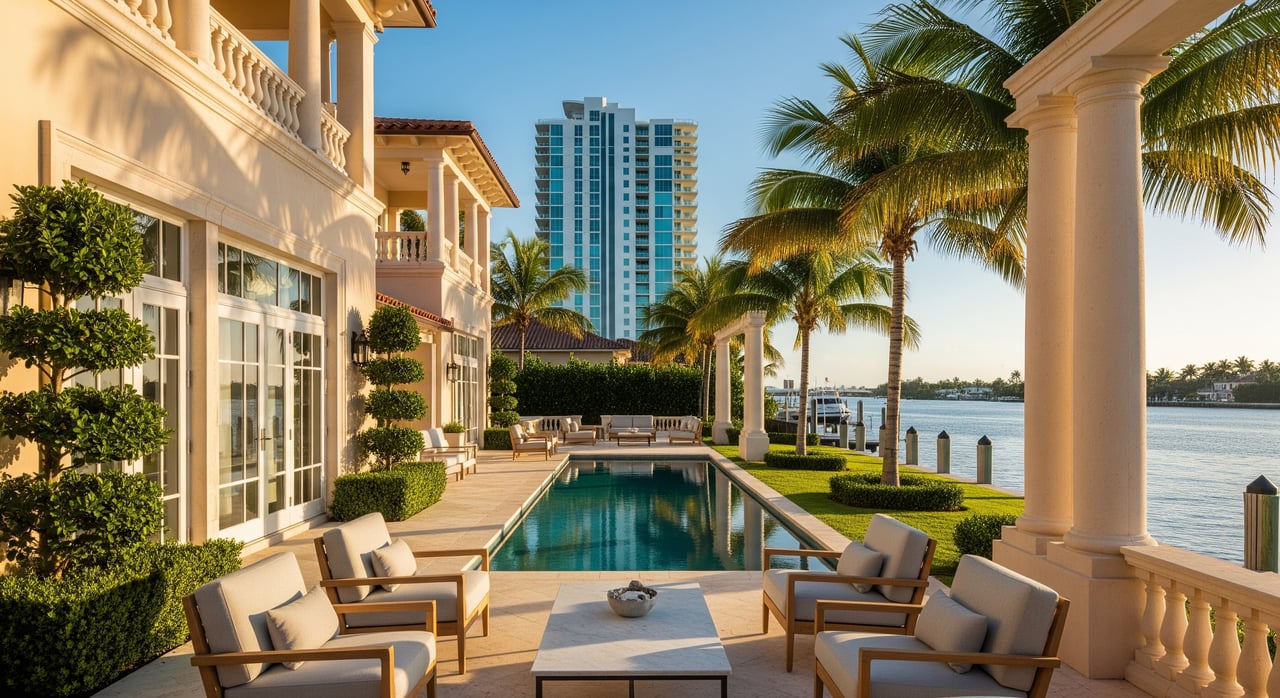
Deciding between Palm Beach and Bal Harbour for your second home can feel like choosing between two versions of luxury. You want the right mix of privacy, convenience, and long-term value, without surprises on rules, fees, or risk. In this guide, you’ll see how each market differs on property type, costs, insurance, rentals, lifestyle, and access so you can align the choice to your goals. Let’s dive in.
Quick fit: who each suits
- Palm Beach: You prefer estate privacy, single-family ownership, historic character, and a quieter, traditional social calendar. You value land, calm streets, and private clubs.
- Bal Harbour: You want turnkey condo living with hotel-level services, instant convenience, high-end retail, and easy access to Miami’s cultural scene and international travel.
Property types and ownership style
Palm Beach: Estates and island character
Palm Beach is dominated by single-family oceanfront estates, Intracoastal homes, and a mix of low-rise condo communities. Land scarcity on the barrier island shapes values and encourages redevelopment in prime pockets. If you want fee simple ownership and the feel of a private compound, Palm Beach will likely speak to you.
Bal Harbour: Ultra-luxury condos and services
Bal Harbour concentrates on high-rise luxury condominiums, including boutique buildings and trophy towers with concierge, valet, and on-site management. Turnkey living is the norm. If lock-and-leave convenience matters and you prefer services over yardwork, this setup is hard to beat.
Governance and building health
Condo ownership in both areas makes HOA health a central part of due diligence. Ask for reserve studies, recent board meeting minutes, insurance certificates, and any special assessment history. For single-family homes, focus on coastal hardening, elevation, seawalls, and maintenance plans.
Cost realities and buyer budgets
Both markets are top-tier Florida coastal destinations. Entry points vary by product type, with luxury properties ranging into the multi-million and beyond. Bal Harbour condos often command premium prices per square foot in top buildings. Palm Beach estates and oceanfront lots can reach some of the highest total prices in the state. Work from current comps and building-specific data when you get serious about a property.
Taxes and closing considerations
Florida has no state income tax, which is attractive if you split time between residences. Homestead exemptions and Save Our Homes caps generally do not apply to second homes. Property assessment practices, documentary stamp taxes, and recording fees can vary by county and municipality. Before you go under contract, confirm closing costs and tax details with your title company and a Florida real estate attorney. If you plan to rent, expect tourist development and sales taxes on short stays, with rules and remittance procedures set locally.
Insurance, flood, and building safety
Both Palm Beach and Bal Harbour sit in coastal hurricane zones. Expect meaningful premiums for wind and flood coverage, with costs influenced by FEMA flood zones and property elevation. Since 2021, Florida has tightened structural inspection and reserve requirements for older condominium buildings. Always request recent engineering and structural reports, recertification status, and reserve studies for condos. For single-family waterfront homes, evaluate storm hardening, flood history, and seawall condition. Insurance availability and rising premiums can materially affect your total cost of ownership.
HOA fees and operating costs
Bal Harbour’s full-service towers often have higher HOA fees that cover staffing, security, building amenities, and core maintenance. You pay more, but much of the day-to-day is handled for you. In Palm Beach, large single-family estates come with their own operating profile, including landscaping, pool and seawall care, and potential private club dues. Palm Beach condos have HOA fees similar to other coastal buildings, so compare inclusions and reserves carefully.
Short-term and seasonal rental potential
Short-term rental rules vary by municipality and by building. Bal Harbour benefits from international demand and proximity to Miami, but many trophy towers restrict short stays. Palm Beach has strong winter seasonal demand, though regulations and building policies can limit what is allowed and when. If rental income matters, confirm municipal rules and building bylaws early and model cash flow conservatively.
Lifestyle and access
Palm Beach lifestyle
You get Worth Avenue shopping, private clubs, historic architecture, marinas, golf, and equestrian culture. The social scene is more seasonal, with a steady winter calendar of charity events and classic gatherings. The vibe leans refined and traditional.
Bal Harbour lifestyle
You enjoy world-class retail at Bal Harbour Shops, resort-like beachfront living, and proximity to Miami’s galleries, restaurants, and nightlife. The audience is more international and cosmopolitan with strong service infrastructure.
Connectivity and travel
Palm Beach International Airport serves national routes with strong private aviation options. Bal Harbour provides fast access to Miami International Airport and broader international connections. If you plan frequent international travel, Bal Harbour’s location may save time door to door.
Seasonality and long-term resilience
Both markets peak in winter, which affects rental demand and social calendars. Long term, plan for sea level rise and nuisance flooding risks that can shape value and maintenance needs. Ask for elevation certificates, review local resilience plans where available, and examine the condition of flood protections and stormwater systems.
Which is right for you?
- Choose Palm Beach if you want privacy, heritage, larger grounds, and a quieter, club-forward lifestyle. You are comfortable managing a home or employing staff for upkeep.
- Choose Bal Harbour if you want a serviced, low-maintenance condo with immediate access to shopping, dining, culture, and international flights. You are comfortable with HOA structures and fees.
If both appeal to you, consider a hybrid plan. Own in one, rent seasonally in the other, and compare real costs and lifestyle fit over a full year.
Your due diligence checklist
- Clarify use: personal time, rental strategy, and who will use the home.
- Confirm ownership type: fee simple vs condominium and the governance that comes with it.
- For condos: request bylaws, board minutes, reserve study, insurance certificates, special assessment history, litigation, and inspection reports.
- For single-family: check FEMA flood maps, elevation, coastal hardening, and seawall condition.
- Get current insurance quotes for wind, flood, and dwelling coverage before signing.
- Verify local short-term rental rules and taxes if you plan to rent.
- Confirm property taxes, assessments, and closing costs with your title company and county property appraiser.
- Evaluate access to maintenance crews, storage, and yacht or vehicle needs.
- Ask your advisor for comps and days on market for your target segment.
Work with a trusted local advisor
The right second home is more than a view. It is governance, risk, access, and ease of use that fit your life. A senior advisor who knows both Palm Beach and Miami’s coastal markets can help you weigh tradeoffs and protect your downside while you secure what matters to you. For discreet guidance on condos, estates, pre-construction, investor structuring, and property management, connect with Brosda and Bentley Realtors. Schedule a Private Luxury Consultation.
FAQs
Which location is better for short-term rental income?
- It depends. Bal Harbour has strong international demand but many luxury towers restrict short stays. Palm Beach sees high winter demand with varied municipal and building rules. Confirm all policies and underwrite conservatively.
Which area offers more privacy and space for families?
- Palm Beach generally offers larger single-family estates, more land, and greater privacy compared with condo-centric Bal Harbour.
Which is better for low-maintenance, lock-and-leave ownership?
- Bal Harbour’s full-service condo buildings are typically more turnkey, though HOA fees are higher to support staffing and amenities.
Are taxes different between Palm Beach and Bal Harbour for second homes?
- Florida has no state income tax in either location. Differences arise from county and municipal assessments and transfer costs, and most second homes do not qualify for homestead benefits.
Should I worry about condo inspections and reserves after Surfside?
- Yes. Request structural reports, recertification status, and reserve studies for any condo. Recent laws increased inspection and reserve requirements for older buildings.
How do insurance costs compare between the two markets?
- Both face high hurricane and flood risk. Premiums vary by property, elevation, and coverage, with some lines in Miami-Dade trending higher. Obtain quotes early in the process.