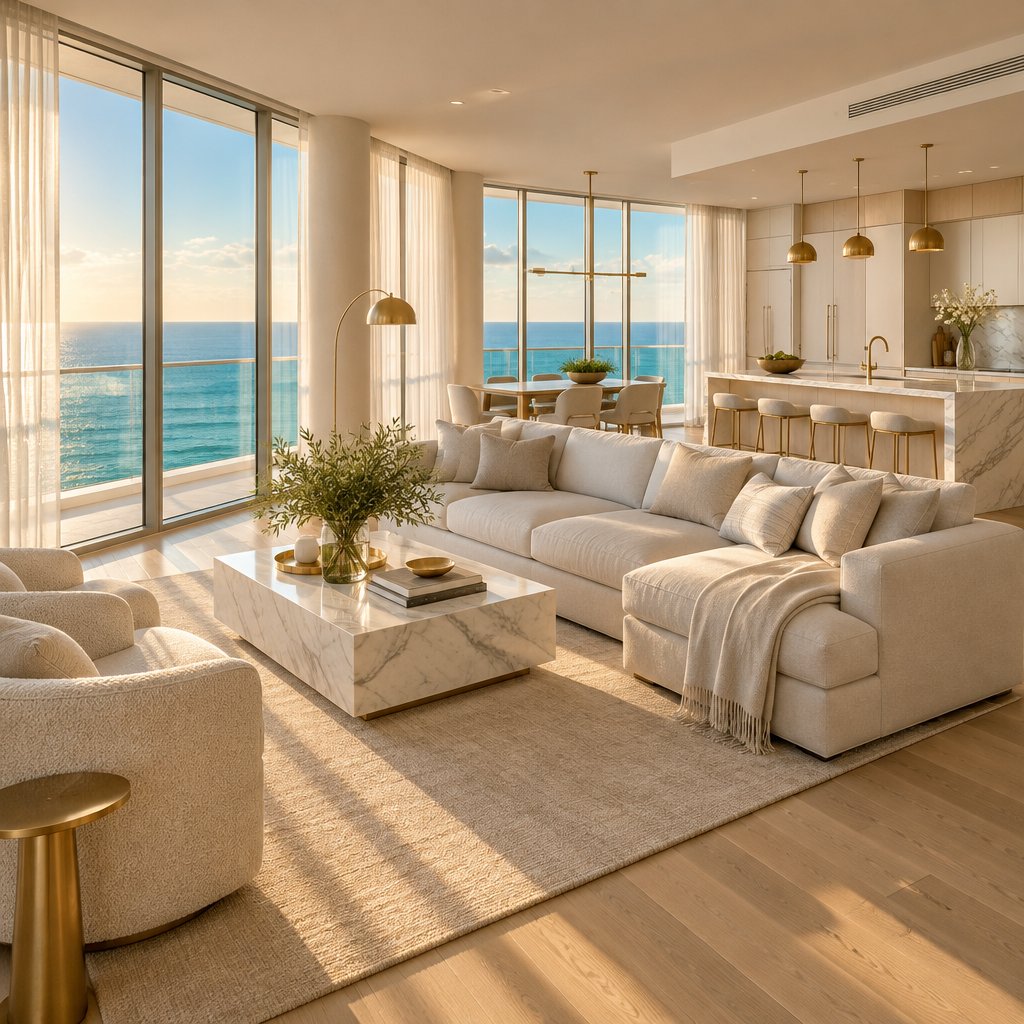
In short: a renovated unit does not sell on the renovation alone. It sells when the upgrade is documented, photographed well and priced against what a buyer can get in original condition for the same money.
In a building where most residences share a floor plan, the renovated owner competes with identical square footage one floor away. The advantage is real, but it only converts into a sale when a buyer can see it, believe it and compare it.
What "renovated" means to a buyer
Buyers translate the word into three questions: what was changed, who did the work and when. A kitchen replaced in 2019 with permits on file reads differently from a cosmetic refresh with no record. Before marketing the unit, assemble the scope, the dates, the contractors, the permits and the warranties. If something was done without a permit, address it now rather than discovering it during a buyer's inspection.
Measuring the premium against original-condition inventory
Pull the closed sales in the building for the last twelve to eighteen months and separate renovated from original units. Compare price per square foot, days to contract and the concessions each seller offered. Then list what is currently competing with you: same line, same view, unrenovated, at what asking price. That comparison sets the realistic premium, not the cost of your remodel.
Documentation that shortens the conversation
Keep a simple package ready: permit numbers, contractor invoices, appliance and fixture model sheets, warranty documents, the association's approval for any structural or impact work, and a maintenance log for the systems you touched. Buyers rarely read all of it, but its existence removes doubt. In a market where the same unit type repeats, doubt is the main reason a showing does not become an offer.
Photography and the visual gap
The renovation has to be visible in the first three images. Shoot in daylight, show the sightlines the floor plan actually offers, and include the details that separate your unit: the millwork, the tile transition, the closet system, the terrace finish. Then place your photos beside an unrenovated comparable in the same line so the difference is obvious without a caption.
Pre-empting the objections
Expect the same four objections: the price premium, the loss of a buyer's own design choices, the age of the building systems you did not replace, and the monthly fee. Answer each in advance. Explain what the premium buys, note which systems are new and which are association responsibility, and show how your all-in monthly cost compares with a lower-priced unit that needs work.
Timing, access and association rules
Confirm the building's showing hours, move-in and renovation rules, and any requirement to register contractors. If your unit is rented, review the lease and the tenant's cooperation terms before you commit to a launch date. Seasonal demand in South Florida is real, but a launch you cannot support with access is worse than a later, cleaner start.
Negotiation readiness
Decide in advance which terms you will protect and which you will trade. A buyer who asks for a credit after inspection is often responding to a specific finding, not renegotiating the whole price. Have your documentation ready to answer that finding, and know the number at which a credit is cheaper than another month on market. That preparation is what separates a controlled negotiation from a defensive one.
Plan your next move with Brosda & Bentley Realtors
We position renovated units against the inventory a buyer will actually compare them with, then build the pricing and presentation around that gap. Call 786-363-8551 for a confidential review of your unit.
Brosda & Bentley Realtors | Luxury Real Estate Specialists | Sunny Isles Beach, Aventura, Bal Harbour & South Florida
Direct: 305-788-9393 | Office: 786-363-8551 | brosdaandbentley.com
Information is subject to change; verify current prices, availability, association rules and building details before relying on them. This article is general information, not legal, tax or appraisal advice.